01 / Robotics
Capable technology.
Autonomous vehicles and humanoid robots are arriving. We study what it takes around them — charging, cleaning, staging and support — so the technology can do dependable work.
Tennessee roots · A new chapter
Exploring autonomous mobility and humanoid robotics for the people and businesses of Tennessee — starting with real trips, real tasks and real evidence.
Research and partner discovery. Not a service launch.
Our mission
Three words carry the whole idea. Scroll to see what each one asks of us.
01 / Robotics
Autonomous vehicles and humanoid robots are arriving. We study what it takes around them — charging, cleaning, staging and support — so the technology can do dependable work.
02 / Relationships
A driverless ride still needs a person who answers. Riders, workers and neighbors decide whether robotics belongs here; we start by listening to them.
03 / Results
We measure before we scale. Observed data stays separate from assumptions, and growth waits until evidence supports it.
Building in public
Short films on the questions behind R³: why we started, what riders need, and whether local demand could support a fleet.
Building on Ledge's model with a local demand test. Counting journeys once, translating airport activity into potential rides, and testing fleet size against fixed demand.
Illustrative scenarios, not a forecast. Only the airport passenger total is observed; all other inputs are assumptions. Michael Dutton is a Tesla owner and shareholder. R³ Revenue is independent of Tesla, not affiliated with or endorsed by Tesla. No operating fleet, airport authorization, approved service or investment returns are claimed. Map is schematic; vehicle and route graphics are concept illustrations.
With credit to Ledge Andary's thoughtful financial model: original video · workbook access page.
3,630,410 ÷ 365 ÷ 1.5 × 0.60 × 0.15 × 0.50 × allocation share. At 5%, 10% and 20% allocation: about 14.9, 29.8 and 59.7 one-way airport rides per average day, across both directions. Alternative scenarios, not a growth timeline, fleet-size recommendation or promise of commercial access. Try the inputs yourself ↓
Scenario lab
Start from the one observed number, then change the assumptions. Watch how quickly a large passenger count becomes a small daily workload.
Bars are alternative allocation scenarios, not a growth timeline or fleet sizes. Thirty trips spread across a day and thirty trips clustered around flight arrivals need very different capacity; that hourly pattern is not yet measured.
Research tracks
Does it make a real task easier, safer or more dependable — and can we support it well?
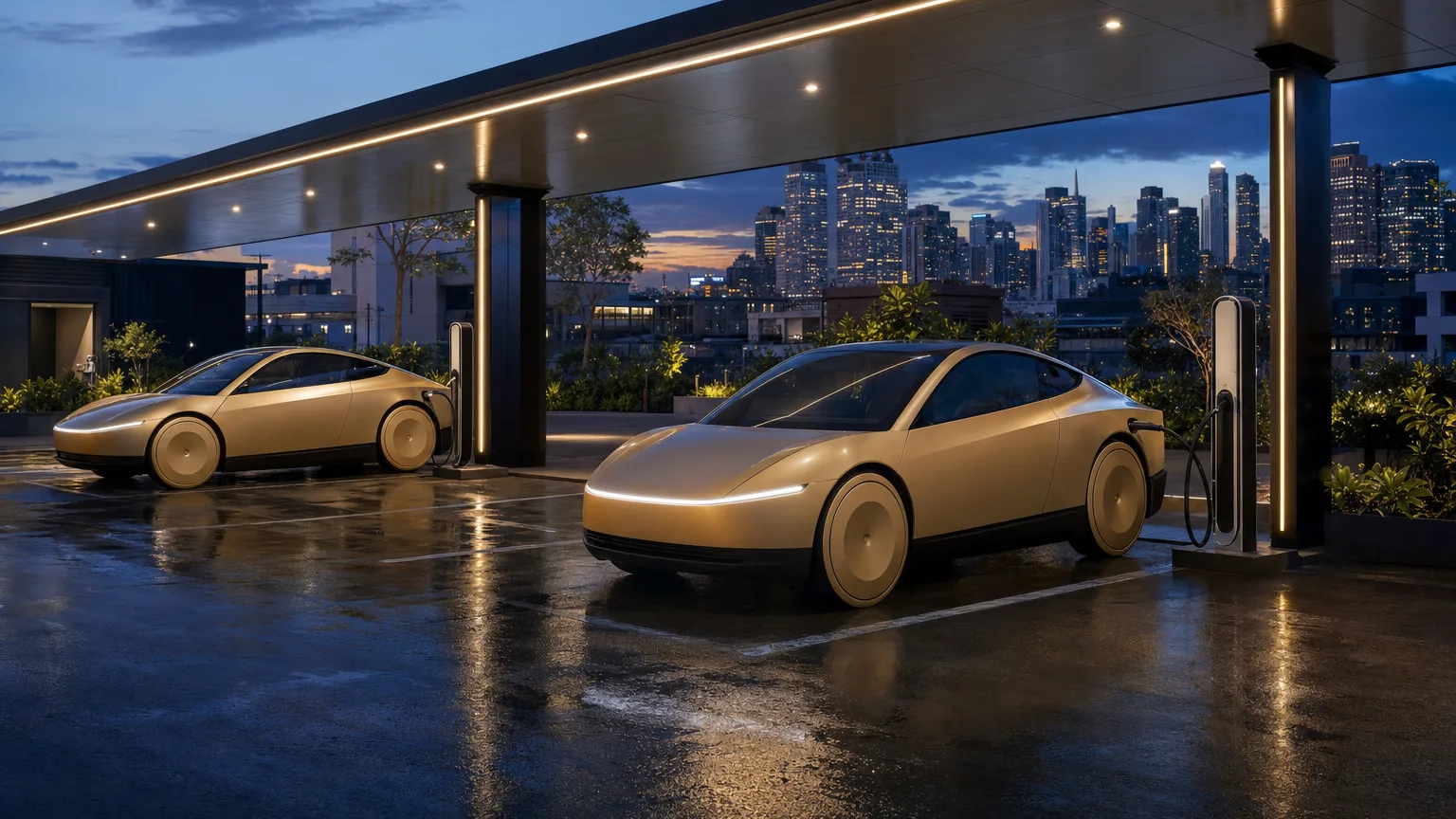
01 / Autonomous mobility
Tesla Cybercab is a primary technology of interest. We're researching the service around it.
Tesla's Robotaxi information ↗No fleet launch date or active service area announced.
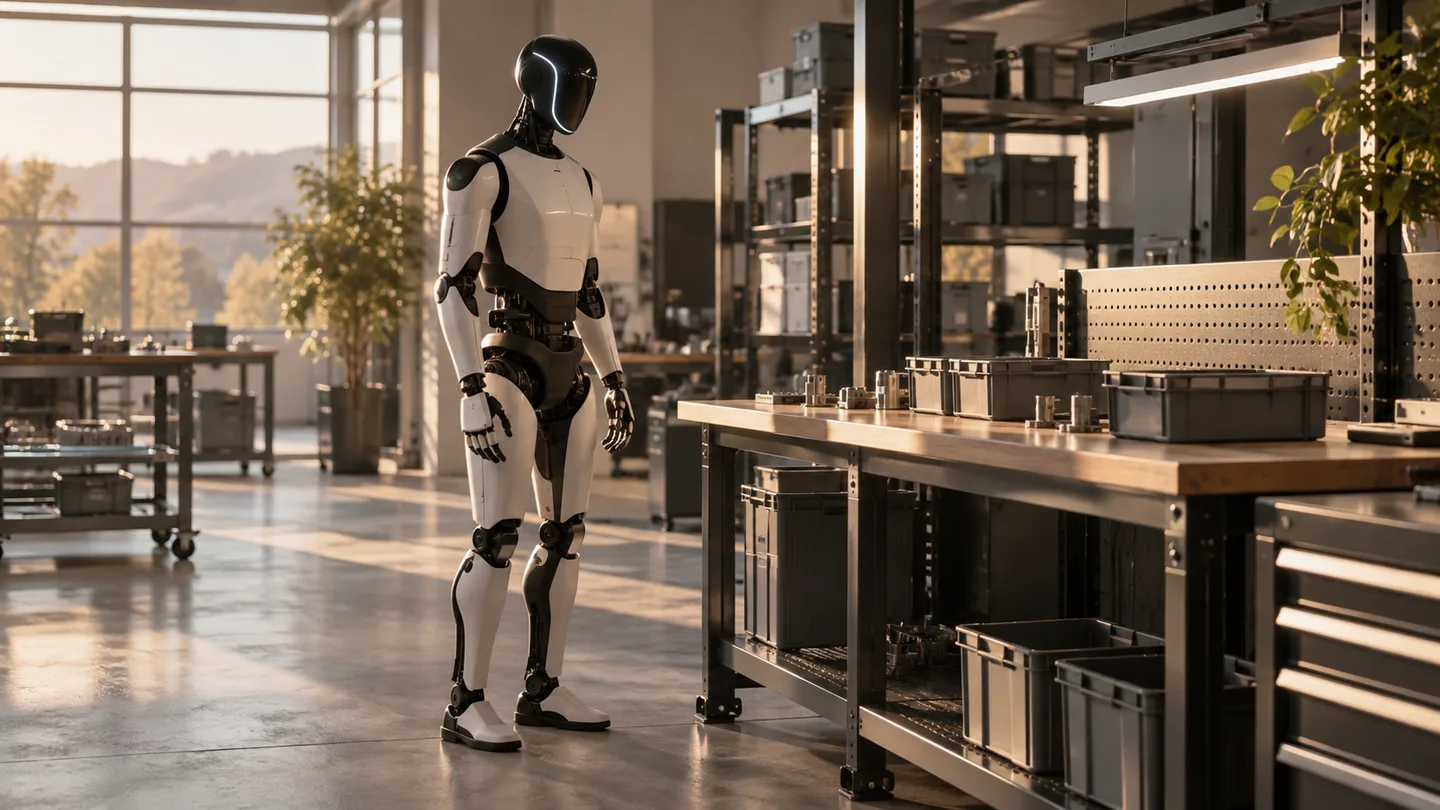
02 / Humanoid robotics
Could future humanoids make repeatable work easier? We're evaluating possibilities, including Tesla Optimus, with people and safety first.
Tesla's Optimus information ↗Commercial access and capabilities require verification.
Results need evidence
Understand the problem.
Plan safety, permissions and support.
Measure reliability and experience.
Expand only when evidence supports it.
Open questions
These are the inputs that matter most and that we don't have yet. If you hold the data, run the research or know who does, we'd like to talk.
Aggregated pickups and drop-offs by mode and hour at McGhee Tyson.
Replaces: hired-ride share, hourly pattern
I can help with this →Origin–destination data across Knoxville, Alcoa and Maryville, by time of day and day type.
Replaces: geography + vehicle fit
I can help with this →Would riders choose a robotaxi at a specific fare and quoted wait? Local survey or pilot data.
Replaces: robotaxi choice
I can help with this →What allocation could an independent fleet actually receive, and on what terms?
Replaces: R³ allocation share
I can help with this →
Home is our starting point
Listening across the East Tennessee corridor.
Research locations, not a service footprint. Landscape is AI-generated, not a documented location.
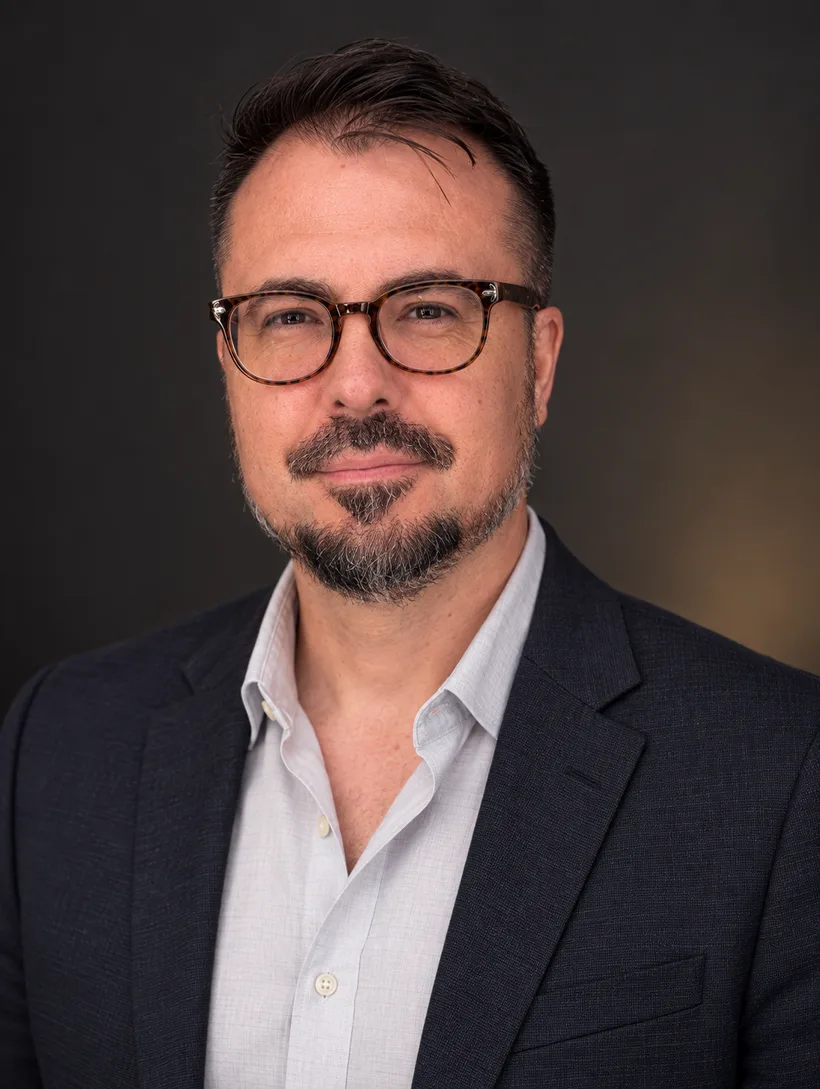
The people behind the questions
Customer Experience Director. Rideshare experience. Maryville roots. Michael brings a service-first perspective to building R³.
Technology earns trust through clear expectations and accountable service.
Let's start with your problem
Tell us what happens today and what a better result would look like.
Research conversations · No equipment reservations or deployment bookings


